Blog
IRDAI AI Governance Framework: What Insurers Should Prioritize for Digital Identity and Secure Onboarding
In April 2026, IRDAI issued revised Information and Cyber Security Guidelines — the most significant update to the insurance sector's digital governance framework in recent years. For insurers building AI-driven onboarding systems, the implications are immediate.
Artificial intelligence is becoming an important part of India's insurance industry. Insurers are increasingly adopting AI-driven technologies to improve operational efficiency and customer experience. However, this growing adoption also introduces new challenges related to governance, cyber security, transparency, and data protection.
For insurers, it changes the way digital identity verification and customer onboarding should be managed. As onboarding depends on AI-enabled workflows, organisations need stronger controls that ensure customer identities are genuine, onboarding journeys remain compliant, and digital trust is maintained throughout the policy lifecycle.
Latest Cyber Security Guidelines
To strengthen cyber resilience across the insurance ecosystem, IRDAI issued the revised guidelines in April 2026. The updated guidelines introduce stronger governance measures, enhanced accountability, and more comprehensive cyber risk management requirements for insurers and other regulated entities in response to an evolving threat landscape.
The revised framework places greater emphasis on:
- Board and senior management oversight of cyber risk.
- Strengthening the role and independence of the Chief Information Security Officer (CISO).
- Mandating quarterly meetings of the Information Security Risk Management Committee (ISRMC).
- Requiring a more structured approach to third‑party risk management, cloud security, and cyber resilience.
- Clearly defined governance processes, continuous risk assessment, and effective incident response planning.
These developments are particularly relevant for digital onboarding journeys, where customer identity data, APIs, documents, and multiple third-party technology platforms interact throughout the verification process. As insurers continue to expand digital customer acquisition, strengthening governance and securing these interconnected workflows will be essential for reducing operational, security, and compliance risks.
Why Digital Identity and Customer Onboarding Are Becoming Governance Priorities
Digital onboarding has become one of the most critical customer journeys in the insurance sector, where identity verification forms the foundation of policy issuance and regulatory compliance.
However, onboarding today is more complex than verifying identity documents alone.
Insurers operate in an environment where AI-generated synthetic identities, manipulated documents, credential theft, and fraud techniques can target digital onboarding channels. At the same time, insurers are expected to maintain frictionless customer experiences while complying with KYC, AML, cyber security, and data protection obligations.
This is where AI governance intersects with digital identity.
An insurer may implement AI to automate document verification or detect irregularities during onboarding, but governance ensures that these systems operate transparently and securely. It also requires organisations to understand how identity data is collected, verified, shared, stored, and monitored throughout the customer lifecycle.
As regulatory expectations evolve, digital identity should be viewed as an enterprise governance capability that supports trust, compliance, and operational resilience.
What Insurers Should Prioritise Now
The revised IRDAI Information and Cyber Security Guidelines reinforce the importance of stronger governance, operational resilience, and secure digital processes. Here are three areas insurers should focus on today:
- Review Third-Party API Integrations: Insurers should review identity verification, KYC, document validation, and fraud checks integrations against the revised IRDAI governance and cyber security requirements to ensure appropriate security controls, vendor oversight, and operational resilience are in place.
- Strengthen Governance and Oversight: Board and senior management oversight is becoming essential for cyber security and digital operations. Insurers should establish visibility into digital identity verification workflows, ensuring that critical onboarding processes are supported by appropriate governance, monitoring, and audit mechanisms.
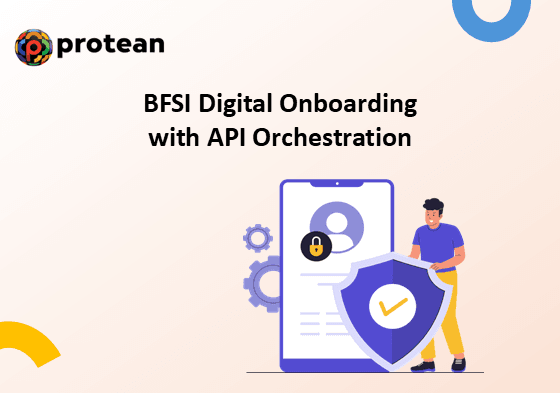
- Adopt a Unified Orchestration Layer: A unified API orchestration platform can help simplify onboarding workflows, improve visibility across verification processes, and make it easier to adapt as regulatory expectations continue to evolve.
Why Governance Requires Better Integration
Most insurers already use multiple tools to support digital onboarding and customer verification. The challenge is not the availability of verification technologies, but the fact that these systems often operate independently, creating fragmented workflows and limited operational visibility.
As governance expectations continue to strengthen under the revised IRDAI Information and Cyber Security Guidelines, insurers are expected to maintain stronger digital processes through appropriate logging, monitoring, access controls, and audit mechanisms.
This is where an API orchestration layer becomes valuable, as it help insurers improve operational visibility, simplify integration management, and build onboarding processes that are easier to monitor, govern, and adapt as regulatory expectations evolve.
Why API Orchestration Has Become Essential for Insurance Compliance
Modern insurance onboarding involves much more than collecting a customer's name and identity proof. An onboarding journey may require identity verification, KYC validation, document authentication, PAN verification, CKYC searches, consent capture, fraud screening, and policy issuance—across multiple digital systems.
As regulatory expectations around governance, managing these processes through disconnected integrations becomes difficult. Every additional integration introduces new security considerations, monitoring requirements, and operational dependencies.
This is where API orchestration becomes valuable, as instead of building separate integrations for every verification service, insurers can use a unified API layer that coordinates multiple identity and compliance services through a standardised workflow.
It improves consistency, simplifies governance, and provides better visibility into how customer identity is verified across the onboarding journey, that aligns with IRDAI's emphasis on stronger governance, operational oversight, and cyber resilience for regulated entities.
Building a Secure Digital Identity Workflow Through Unified APIs
Digital identity verification should be viewed as a sequence of interconnected verification processes that collectively establish trust while supporting regulatory compliance single-step activity. A unified API platform can help insurers streamline these processes by securely integrating multiple services through one enterprise interface.
KYC and CKYC Verification
- Customer onboarding typically begins with Know Your Customer (KYC) verification and access to CKYC records helps insurers retrieve verified customer information where applicable, reducing duplication while supporting regulatory compliance.
- Through Protean RISE, insurers can access KYC and CKYC verification capabilities on a unified API platform backed by Protean's experience in building digital identity infrastructure for India's regulated financial ecosystem.
DigiLocker Integration
- DigiLocker enables customers to securely share government-issued digital documents directly from the source. This reduces manual document handling while improving the authenticity of submitted records.
- Protean RISE enables secure identity verification and document-based onboarding, helping insurers simplify customer onboarding while maintaining compliance.
How Protean RISE Supports AI-Ready Insurance Infrastructure
As insurers expand digital services, technology teams are looking for ways to simplify integration without compromising governance or compliance. Here is where Protean RISE provides a unified API platform that enables insurers to connect with multiple regulated digital services through a single integration layer.
This unified approach offers various advantages:
- Simplified enterprise integration
- Standardised API governance
- Secure request routing
- Improved monitoring and operational visibility
- Faster onboarding of new digital services
- Reduced integration complexity
- Better scalability across business lines
Conclusion
With IRDAI's revised Information and Cyber Security Guidelines already in effect, governance is no longer just a future consideration. The focus has shifted towards building digital onboarding processes that are secure, transparent, auditable, and supported by appropriate oversight across the organisation.
Artificial Intelligence is creating new opportunities for insurers to improve customer experiences, but it also brings greater responsibilities around digital identity, cyber security, operational resilience, and governance.
As insurers continue to expand digital onboarding, relying on disconnected verification systems can make governance, monitoring, and compliance more complex. Building unified and well-governed identity verification workflows through API orchestration can help organisations strengthen operational visibility while adapting more effectively to evolving regulatory expectations.
Insurers that invest in secure, scalable, and auditable digital identity infrastructure today will not only strengthen compliance but also be better prepared for future regulatory developments and changing customer expectations.
Build secure, scalable, and governance-ready digital onboarding journeys with Protean RISE.
Frequently Asked Questions
Q1: Why are digital identity and onboarding becoming governance priorities for insurers?
Digital onboarding relies on sensitive customer data and multiple verification processes. As AI adoption grows and cyber threats evolve, insurers are expected to strengthen governance around identity verification and customer data protection.
Q2: How does API orchestration improve insurance onboarding?
API orchestration enables insurers to integrate KYC, CKYC, PAN verification, DigiLocker, etc. through a unified workflow.
Q3: How does Protean RISE help insurers strengthen digital identity management?
Protean RISE provides a unified API solution that simplifies integration with multiple regulated digital services, enabling insurers to build secure, scalable, and governance-ready onboarding journeys through a single orchestration layer.
Related Articles